



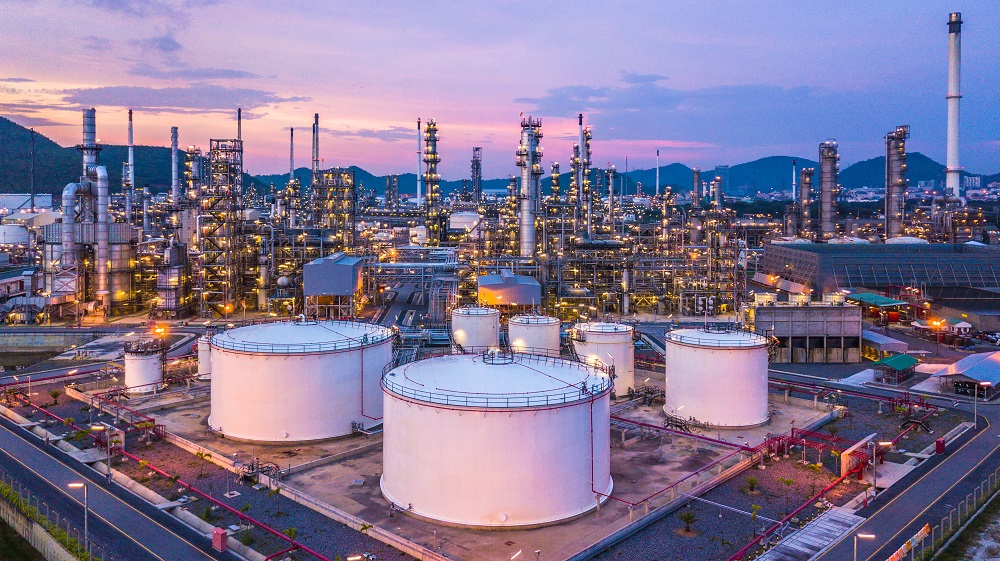
The Construction and Oil Industries: Foundations of Global Infrastructure and Energy
Introduction
The construction and oil industries are two of the most pivotal sectors in the global economy. While distinct in their functions—one responsible for building the physical infrastructure of societies and the other for supplying the energy that powers them—they are deeply interlinked. Together, they support the development and operation of cities, transportation networks, industrial complexes, and more. This article examines the nature of these industries, their interdependence, and the challenges and transformations they are currently experiencing.
The Construction Industry: Building the Future
The construction industry encompasses a wide range of activities including residential, commercial, industrial, and infrastructure development. It is a significant contributor to global GDP and a major employer worldwide.
The Construction Industry: Building the Future
The construction industry encompasses a wide range of activities including residential, commercial, industrial, and infrastructure development. It is a significant contributor to global GDP and a major employer worldwide.
Key Components:
- Infrastructure Development: Roads, bridges, tunnels, airports, and public transportation systems form the backbone of economic growth.
- Urbanization: With growing populations and migration to urban centers, demand for residential and commercial structures continues to rise.
- Sustainability and Innovation: The industry is undergoing a transformation driven by sustainable building materials, green design practices, and digital innovations like Building Information Modeling (BIM) and modular construction.
However, the sector faces challenges such as labor shortages, regulatory pressures, supply chain disruptions, and the need for digital transformation.
The Oil Industry: Fueling the Global Economy
The oil industry, including exploration, extraction, refining, transportation, and marketing, is vital to meeting the world’s energy needs. It provides fuel for transportation, power generation, heating, and is also a key input for petrochemicals used in plastics, fertilizers, and pharmaceuticals.
Key Segments:
- Upstream: Exploration and production of crude oil and natural gas.
- Midstream: Transportation and storage.
- Downstream: Refining and distribution of products.
The oil industry is facing unprecedented changes due to volatile markets, geopolitical tensions, and the global push for decarbonization. Companies are investing in cleaner technologies, carbon capture, and diversifying into renewable energy to remain relevant in a transitioning energy landscape.
Interconnection Between the Two Industries
The construction and oil industries are interdependent in several ways:
- Energy Demand: Construction projects rely heavily on petroleum-based fuels and machinery for operations.
- Infrastructure for Oil: The construction industry builds the infrastructure needed by oil companies, including drilling platforms, pipelines, refineries, and storage facilities.
- Economic Drivers: The health of the oil industry often influences construction activity, particularly in oil-rich regions where investment in public infrastructure is driven by petroleum revenues.
Emerging Trends and Future Outlook
- Decarbonization: Both industries are under pressure to reduce their environmental impact. This has led to innovations in sustainable building materials and renewable energy investments by oil companies.
- Digital Transformation: Technologies such as AI, drones, IoT, and robotics are being adopted to improve safety, efficiency, and cost management.
- Geopolitical Shifts: Conflicts, trade policies, and global alliances affect both oil supply chains and construction markets.
- Resilience and Adaptability: Post-pandemic recovery has emphasized the need for resilience in supply chains and workforce management across both sectors.
Conclusion
The construction and oil industries remain pillars of global development and economic stability. Despite facing distinct and overlapping challenges, they are evolving through technological innovation and sustainability initiatives. As the world moves toward cleaner energy and smarter infrastructure, these industries will continue to play central roles in shaping the future of our planet.